
A bamboo incense-making initiative had funding, equipment, community structures and access to raw material. Yet production had slowed to a standstill.
The task was not simply to document what had gone wrong. It was to understand why a livelihood model that seemed viable was failing in practice.
The challenge
Across three villages in Rajasthan, the programme brought together local communities, self-help groups, Forest Department officials and an entrepreneur responsible for the machinery and for linking production to markets.
Each of them saw the problem differently.
Officials felt communities were not taking enough ownership. Villagers pointed to raw-material shortages, unclear authority and delayed payments. The entrepreneur questioned why production stayed low when similar initiatives had succeeded elsewhere.
The real problem was hidden somewhere between these perspectives.
Our approach
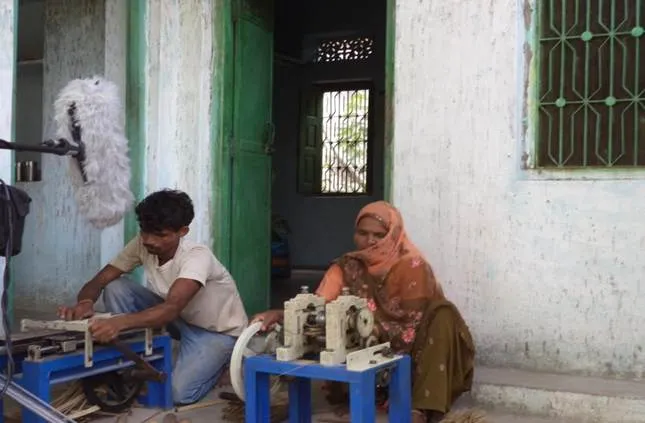
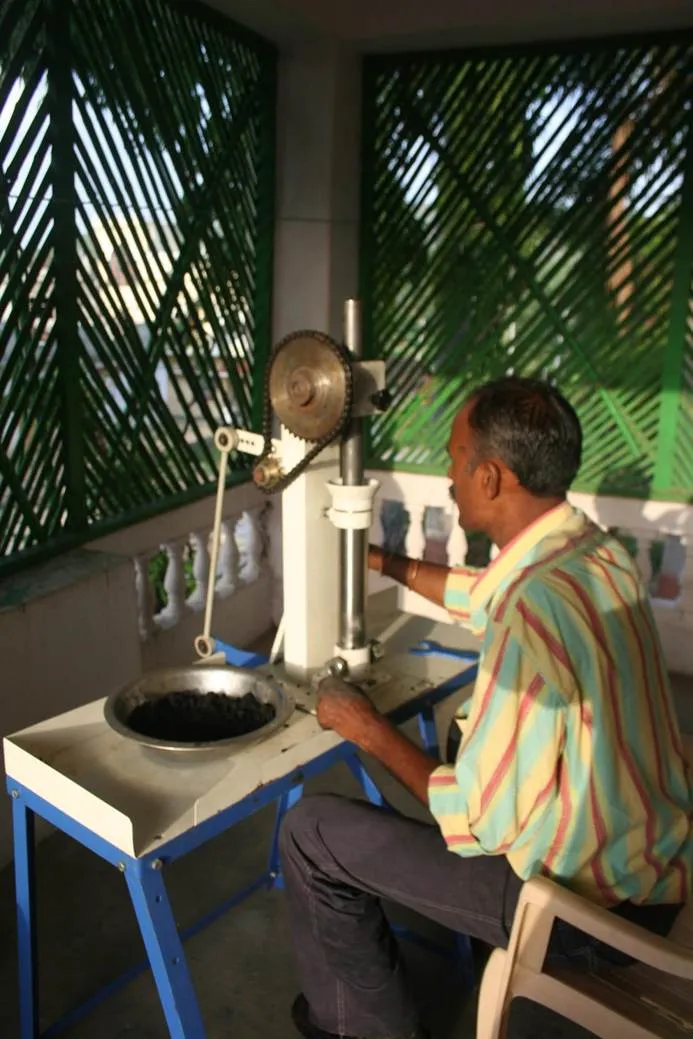
Avant Amour studied the programme where it actually ran: in villages, homes, production centres and community institutions.
We followed the complete journey, from bamboo procurement and machine allocation through production, weighing, payment and storage to sale.
By combining observation with conversations with the people involved, we compared the programme as it was designed with the programme as people actually experienced it.
What we uncovered
The programme was not failing because of one operational issue. It was caught in a reinforcing cycle:
Unclear ownership → delayed decisions → operational friction → weaker incentives → lower participation → lower production.
On the ground, that looked like this:
- Participants were unclear about who was responsible for critical activities.
- Payments were sometimes delayed.
- Procurement was inconsistent.
- Finished products waited to be weighed.
- For some villagers, other work offered a better return for their effort.
What looked like a productivity problem was really a combination of governance, incentives, communication and human behaviour.
From observation to action
Our recommendations focused on making the system easier for people to take part in, and to take ownership of:
- Clearer roles and accountability
- Dedicated programme management
- Transparent weighing and payment processes
- Stronger financial and operational tracking
- Better raw-material planning
- Training on governance and ownership, not just on the machinery
- A participant model built around the seasonal realities of people’s livelihoods
The bigger lesson
Dashboards can tell you that a programme is underperforming. They rarely tell you why people have stopped participating, where trust is breaking down, or how everyday processes are shaping behaviour.
For that, you have to get closer to the people, and to the context in which decisions actually get made. That closeness is what ethnography is for: finding the problem behind the problem when the numbers alone cannot explain it.