
The question
Fast-growing cities and changing ways of working have reshaped how urban professionals in India sleep, handle stress and recover. The problem is widely recognised. Less is known about how people experience and manage it day to day. Sleep and recovery are often shaped not only by work demands but also by family responsibilities, relationships and daily routine.
Nor is the experience likely to be the same everywhere. India’s big cities differ in their work environments, occupations, cultures and leisure habits, and each of those affects how stress builds up and how people try to recover. Occupation, age and gender matter too: people fit their sleep and routines around their own responsibilities, social expectations and circumstances.
So the study set out to understand how urban professionals in six metropolitan cities experience sleep, stress and recovery in everyday life, and how their work, their roles and their daily habits shape that experience.
How we studied it
The study covered six metros: Kolkata, Delhi, Bangalore, Mumbai, Chennai and Pune. They were chosen deliberately, to capture how professionals live and work across very different city settings.
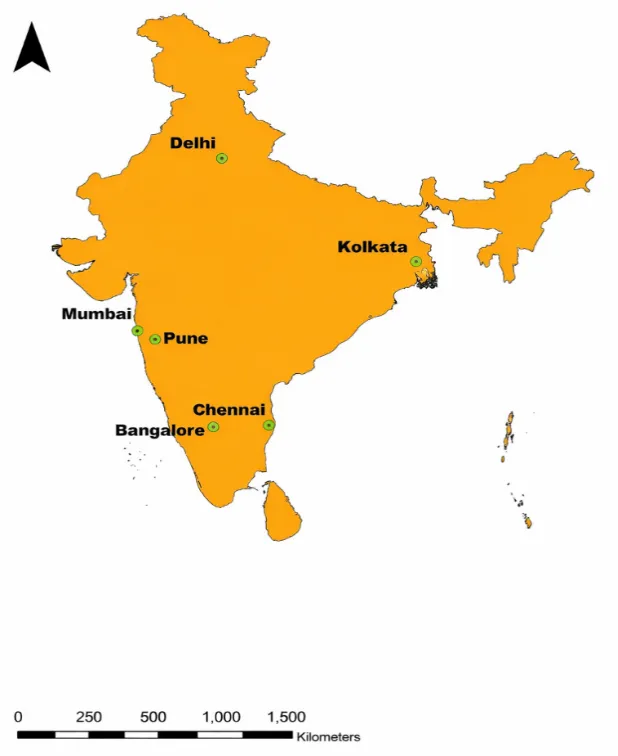
Participants were urban professionals aged 21 to 55. We chose people who fit the study’s criteria and asked them to refer others, so that the group would span different occupations and life stages.
Each person took part in an in-depth interview about their everyday experience of sleep, stress and recovery: what they notice, what they believe and what they actually do. An open conversation let people describe all of this in their own words and in the context of their own lives.
We then read across every interview to find the patterns that kept recurring, the meanings people shared, and the points where one city differed from another.
What we found
In every city, people described sleep, stress and recovery as tightly connected. What differed was how they saw them and what they did about them.
By city
- Bangalore and Mumbai: people commonly tied stress to demanding work schedules and irregular routines.
- Chennai and Pune: people stressed how important regular sleep and healthy daily habits are for recovery.
- Delhi: the quality of sleep mattered more than how long it lasted.
- Kolkata: people valued deep, uninterrupted sleep, even when their total sleep time was fairly short.
Across all six cities, people commonly named the same ways of coping with stress and everyday fatigue: exercise, short breaks, time with other people, tea or coffee, and eating well. But they also admitted that the demands of city life often got in the way.
In all six cities, people recognised that sleep matters for managing stress and recovering from it. But their accounts showed how much depends on the life around them. Work environments, the demands of particular jobs, commutes and leisure habits all shaped how people understood stress and how they tried to recover.
By life stage and gender
- Younger participants often described recovery as something active: going to the gym, travelling, taking solo trips, spending time with friends. They also cared more about the quality of their sleep than its length.
- Many middle-aged participants linked recovery with quieter ways to unwind: time with family and friends, listening to music, informal get-togethers after work.
- Older participants more often saw seven to nine hours of uninterrupted sleep as essential for restoring physical energy and keeping up their daily routine.
- Women often described sleep as something negotiated around responsibilities that reach well beyond paid work, including household work and childcare, which left little room for uninterrupted rest.
As one participant put it:
“My whole day is all about my work, about my baby, about my family. So that one hour or one and a half hours is only for me.”
Taken together, the interviews suggest that sleep, stress and recovery are not simply individual health habits. They are shaped by how work, family responsibilities and the wider social and cultural life of the city interact, every day.
What it means
Across all six cities, professionals saw sleep, stress and recovery as closely linked, and they recognised that healthy sleep and recovery matter. Yet demanding work schedules, irregular routines and everyday responsibilities often made it hard to keep those habits up consistently.
Knowing what is good for you is only part of the story. How people sleep and recover is also shaped by the social and working realities of city life.
Key takeaways
- Urban professionals commonly have their sleep disrupted by work demands, digital engagement and competing personal responsibilities.
- Stress and recovery are shaped both by the workplace and by everyday lifestyle habits.
- Ways of recovering vary from person to person, and depend on personal, social and working circumstances.